


MARC JACOBS and NATHAN STEUDLE
Hutch Post
Farmers and ranchers are being reminded that while no two El Niño weather patterns are exactly the same, the climate phenomenon often plays a significant role in shaping weather conditions that impact agriculture across the United States.
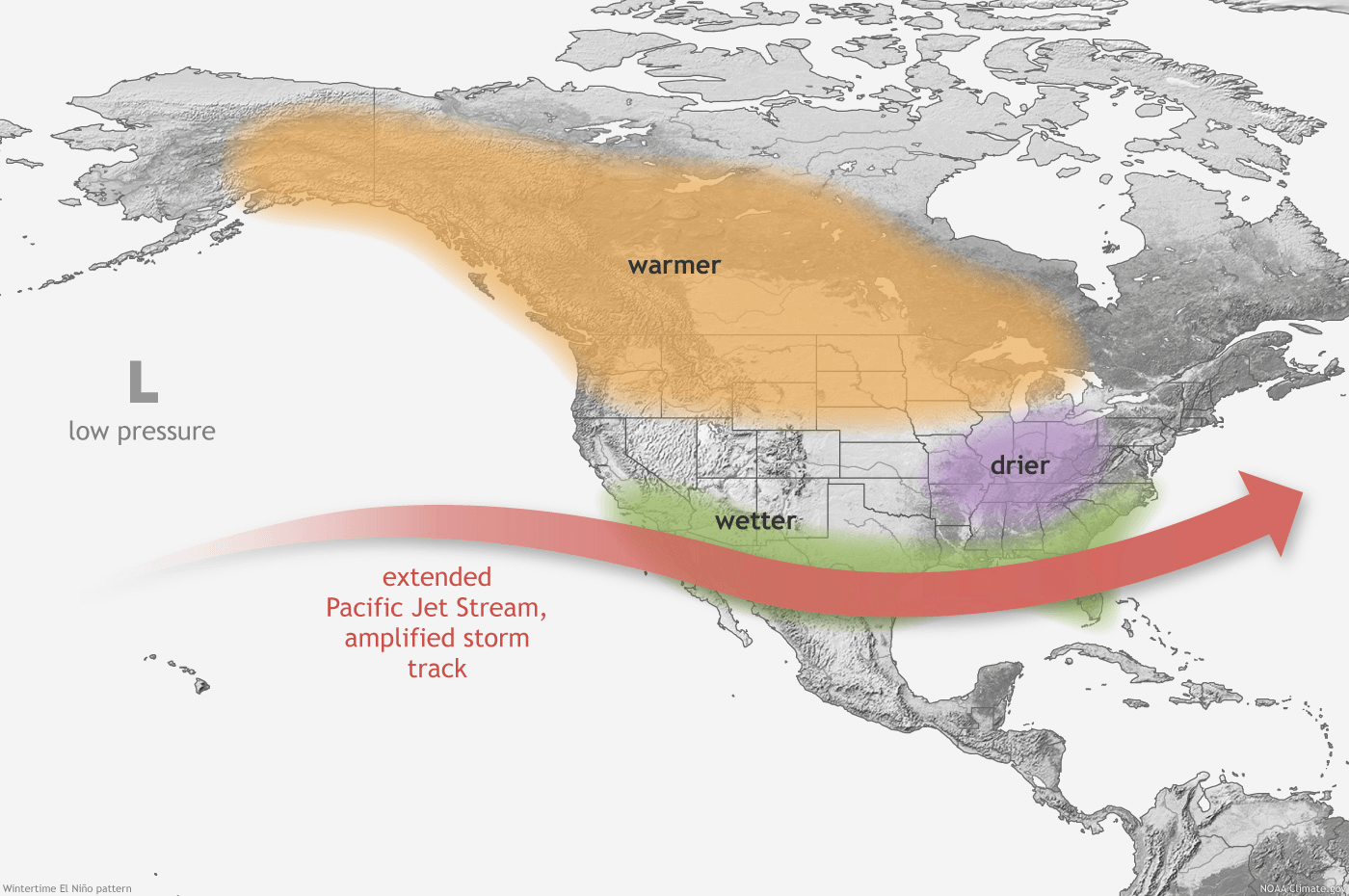
El Niño typically reaches its peak intensity during the winter months and can influence weather patterns nationwide. During a typical El Niño winter, the jet stream shifts farther south, increasing the likelihood of wetter and stormier conditions across the southern United States while bringing warmer-than-normal temperatures to much of the northern tier of the country.
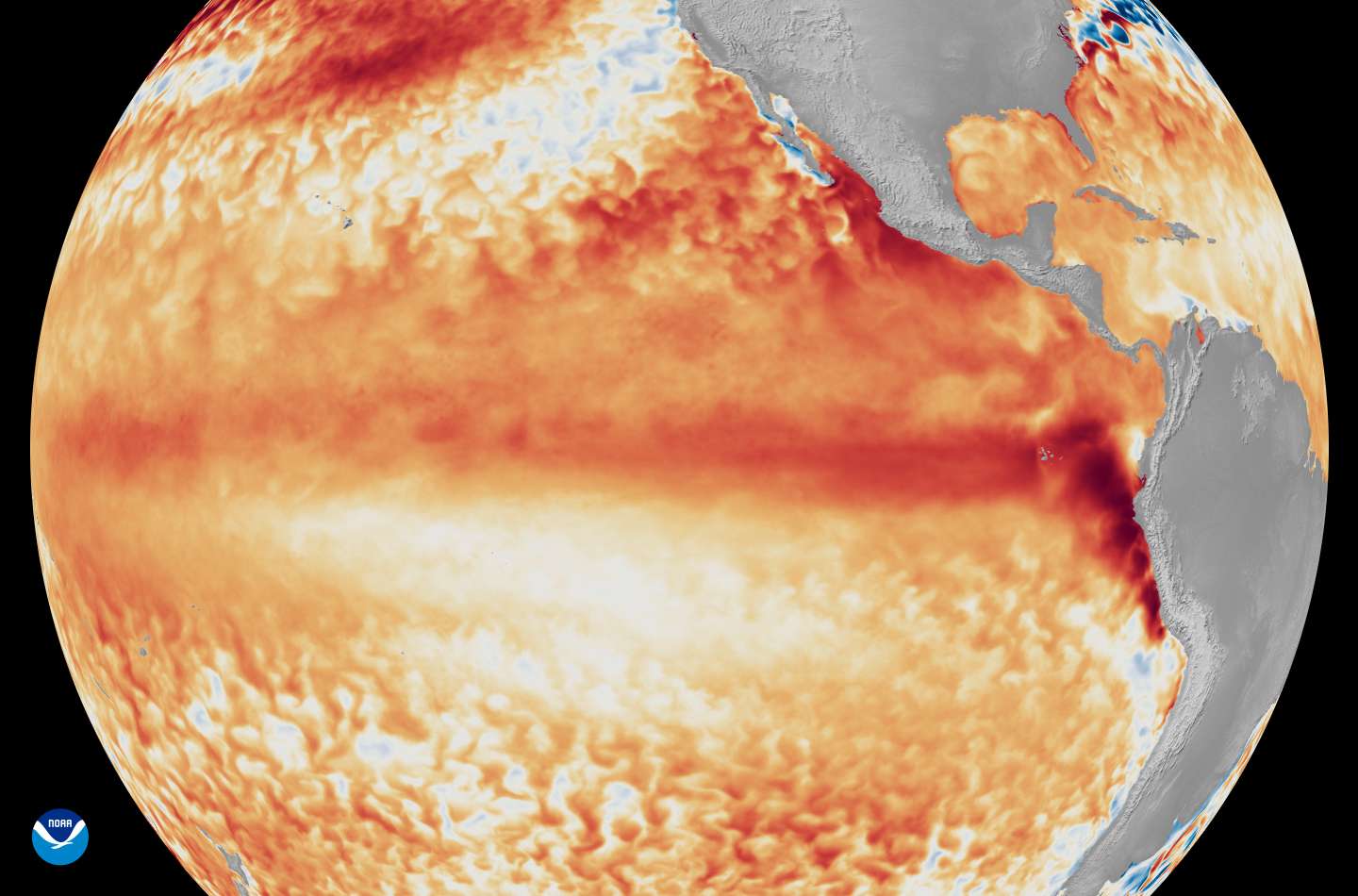
However, meteorologists caution that each El Niño event develops differently.
“Every El Niño is not the same, each one unique in its own imprint on our weather,” said Ken Graham, director of the National Weather Service at the National Oceanic and Atmospheric Administration (NOAA).
In addition to affecting temperatures and precipitation, El Niño can also influence tropical activity. Forecasters note that El Niño conditions often suppress hurricane development in the Atlantic Ocean while increasing tropical storm activity in portions of the Pacific.

For agriculture, the most significant impacts are typically tied to changes in precipitation patterns, soil moisture levels, and growing conditions. Wetter conditions in some regions can improve drought-stricken soils, while excessive rainfall in others may create challenges for planting, harvesting, and livestock operations.
Agricultural producers are encouraged to monitor seasonal forecasts and local weather outlooks as El Niño develops, as its effects can vary significantly by region and from one event to the next. Weather experts say understanding those trends can help producers make informed decisions heading into the next growing season.