


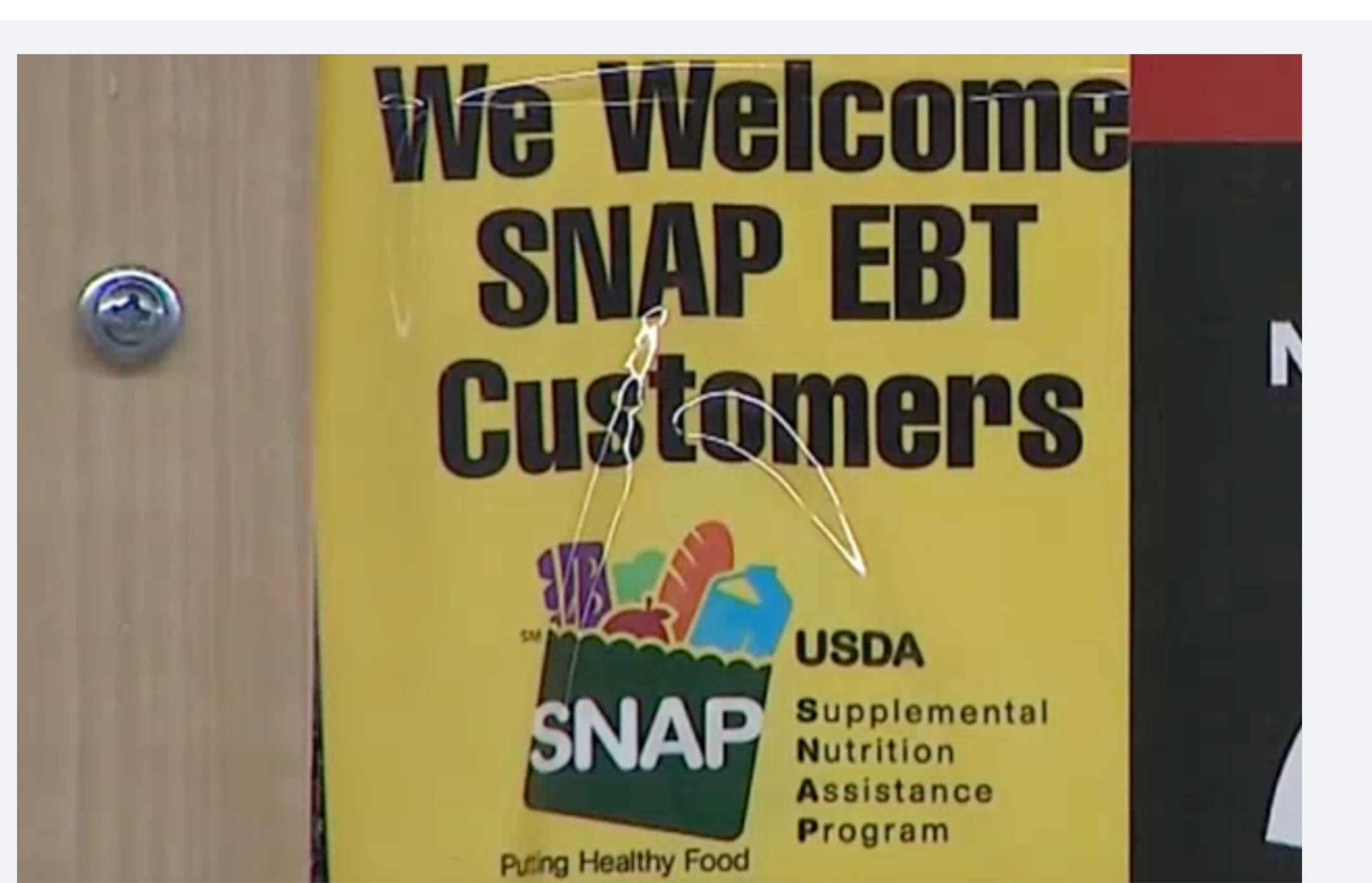
TOPEKA, Kan. — A newly released audit has identified potential issues within Kansas’ Supplemental Nutrition Assistance Program (SNAP), including an estimated $700,000 to $1.2 million in benefits paid to individuals who may no longer reside in the state.
The report, issued by the Kansas Legislative Division of Post Audit, examined SNAP payment error rates and benefit transactions during fiscal years 2023 and 2024. Auditors said their findings were based on limited data due to federal restrictions that prevent certain recipient information from being shared with state auditors.
Despite those limitations, the audit found instances in which benefits were issued to individuals who may have moved out of Kansas, which would violate federal and state requirements that recipients live in the state where they receive assistance.
LINK: Click here to read the Audit Report online.
SNAP is a federally funded program that provides monthly food assistance to low-income households. While the Kansas Department for Children and Families (DCF) has processes in place to detect and prevent fraud, auditors noted that the state’s “simplified reporting” system can make it difficult to quickly identify when recipients relocate.
Under current federal rules, SNAP participants are not required to immediately report a change of address. Instead, they typically report changes during six-month reviews or annual recertification. Until October 2025, those updates were largely self-reported and did not routinely require documentation, further complicating oversight efforts.
Auditors cited one case in which an individual may have continued receiving benefits for 21 months after leaving Kansas.
The Department for Children and Families generally agreed with the audit’s findings but pointed to federal requirements and logistical challenges that limit the state’s ability to track residency changes in real time.
DCF officials also highlighted ongoing efforts to strengthen oversight, including participation in federal data-matching systems such as the Public Assistance Reporting Information System and the recently launched National Accuracy Clearinghouse, which helps identify duplicate benefit use across states.
As part of its recommendations, the audit suggests DCF comply with a state law requiring the agency to offer recipients the option of including photographs on their Electronic Benefit Transfer (EBT) cards. However, DCF said implementing that policy would require additional funding and could create challenges, since multiple household members or authorized representatives are often permitted to use a single card.
The agency estimated it would cost more than $250,000 to reissue current EBT cards with photos, along with additional administrative expenses.
Auditors concluded that while Kansas has systems in place to manage SNAP effectively, gaps remain in identifying recipients who move out of state, largely due to federal reporting rules and data-sharing limitations.